
Cold operation is more than one temperature number
A cell that can deliver current after a cold soak is not automatically permitted to recharge at that temperature. Discharge capability, charge acceptance and storage exposure describe different operating states. The pack controller needs separate limits for each, using cell temperature rather than an outdoor weather forecast.
What public research establishes
Original lithium-ion research discusses lithium plating as a concern during cold charging and investigates controlled heating as one approach. Idaho National Laboratory also describes temperature-related changes in charging behavior. These sources explain the engineering concern; their particular cells and vehicle observations do not qualify the BK products or establish an LFP charging limit. [1] [2]
Read the BK model table before the series headline
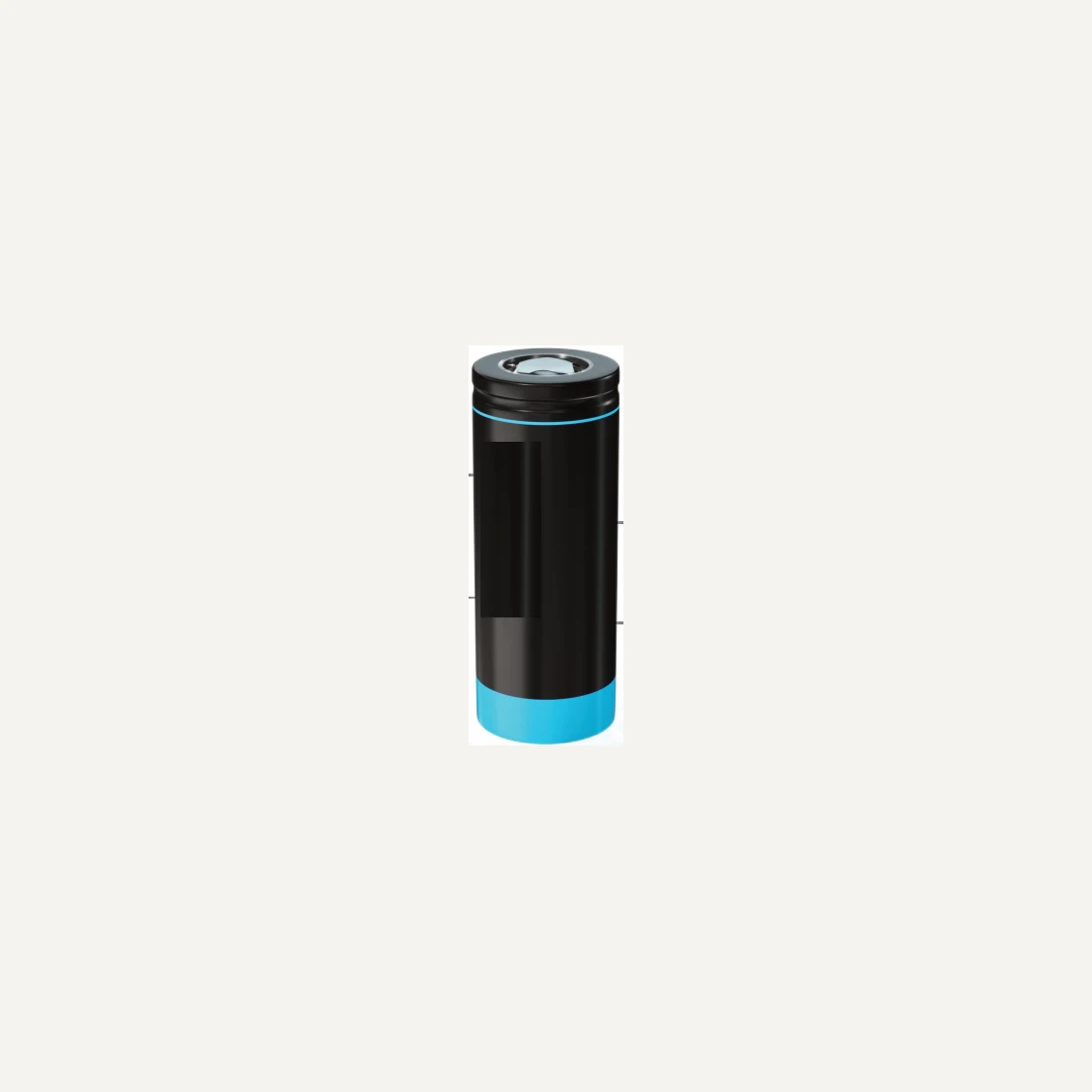
The supplied low-temperature LFP material lists five options under BK-assigned identifiers. The 26650 3200mAh and 3400mAh rows list a −50°C to 60°C working range, interpreted as discharge pending confirmation, alongside a separate −30°C to 60°C charge range. The 18650 1500mAh and 26650 3500mAh and 3800mAh options list −40°C to 60°C working conditions, with different charge upper limits.
Rate and capacity are model-specific
The table lists 5C continuous discharge for the 3200mAh model, 3C for the 3400mAh and 18650 1500mAh models, and 1C for the 3500mAh and 3800mAh models across their stated working ranges. At −40°C, it reports 90% for the 3200mAh and 3400mAh models and 70% for the other three. Reference capacity, current, soak time and cutoff remain unspecified; these are preliminary supplier-table values rather than independently verified guarantees.
Do not silently resolve conflicting statements
A series headline promoting more than 90% performance and 3–5C capability cannot override a model row showing 70% and 1C. The stated two-hour charge time at −20°C for the 3200mAh and 3400mAh rows also needs its initial SOC, final SOC and charging profile: it cannot mean a complete empty-to-full charge at a constant 0.2C. Request a corrected, signed specification rather than choosing the most attractive number.
Build a qualification plan
Test cold soak, loaded voltage, pulse response, recharge inhibition and restart behavior with the actual BMS and charger. Specify reference temperature, sample count, capacity calculation and end-of-test limits. Confirm storage SOC and duration separately; no storage temperature is supplied for these five models. No military certification or absolute no-fire guarantee is claimed.
Prepare a useful inquiry
Select the relevant BK low-temperature LFP model below and provide operating temperature-time profiles, load, charging opportunities and quantities. BK Energy coordinates sourcing and project discussions; these products are not described as LG or SK On cells, and BK in-house manufacture is not asserted.
Sources
- Idaho National Laboratory — EV charging in cold temperatures
- Yang et al. — Fast charging of lithium-ion batteries at all temperatures (original research)
Independent technical discussion. BK-specific figures come from the supplied documents and remain subject to a signed model specification and traceable test report. Neither the public sources nor the photograph candidates establish a customer or manufacturer relationship.